Cap Over or Replace
Your Fascias?
We do both, capping over sound timber and stripping out rotten boards for full uPVC replacement. This is how the two differ, and how we decide which one your house needs.
Both can be right; it depends on the timber
Capping over means fitting a thin uPVC board over your existing timber fascias. Full replacement means taking the timber off and fitting new, thicker uPVC boards in its place.
Capping suits timber that is still sound. Replacement suits boards that are soft, rotten, or that you are not sure about. We fit both, so we have no reason to push one: we look first and say which we recommend on the quote.
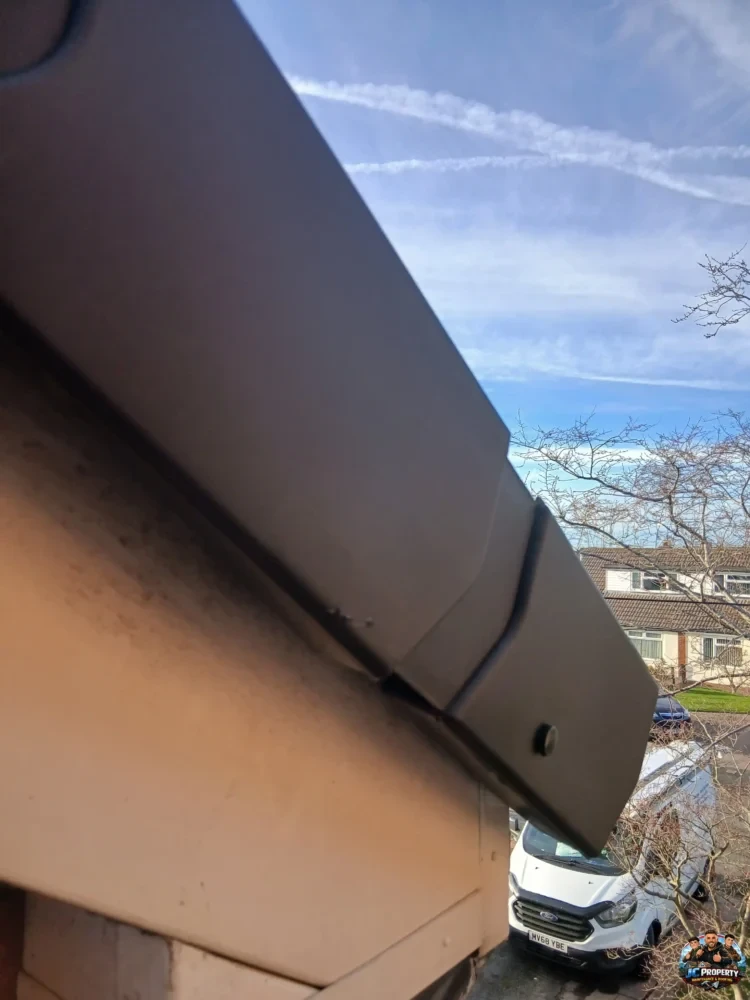
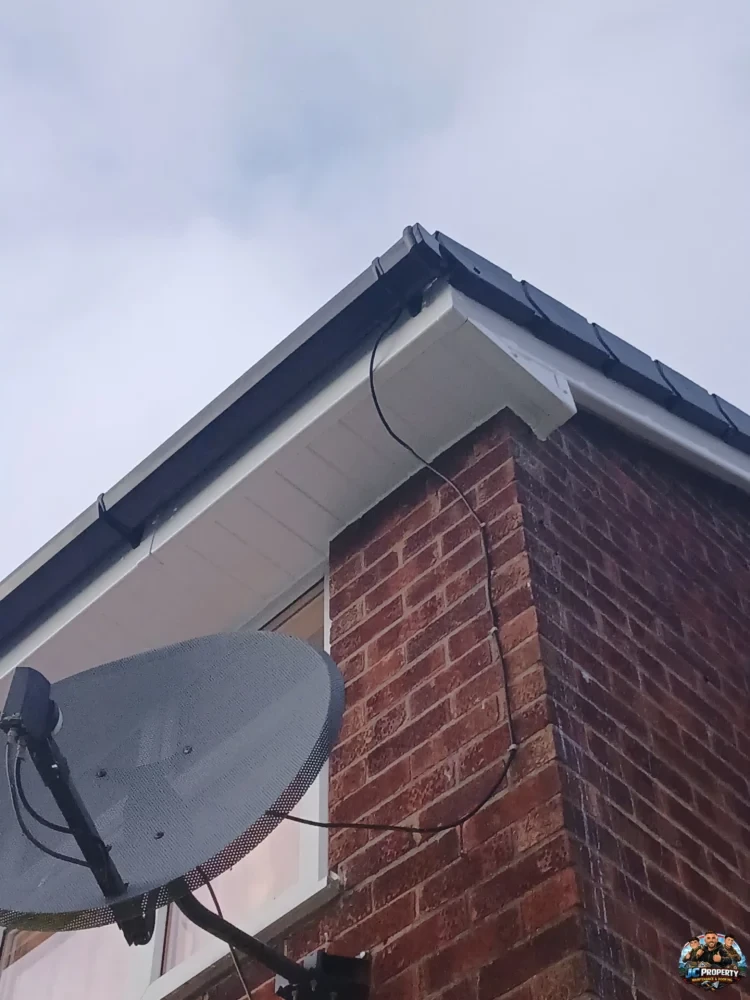
What Capping Over Means
A capping board is a thin uPVC board, about 9 to 10 mm thick according to the manufacturers Eurocell and Freefoam, fixed over the face of the old timber fascia. From the street it looks like a new uPVC roofline.
The timber stays where it is and does the structural work. The gutter is fixed through the new capping board into the timber behind it, which is why Freefoam says a capped fascia depends entirely on the condition of the timber underneath. Eurocell puts it more bluntly: do not cap over rotten timber.
Done over sound boards, capping is quicker and less disruptive than stripping everything off.
What Full Replacement Means
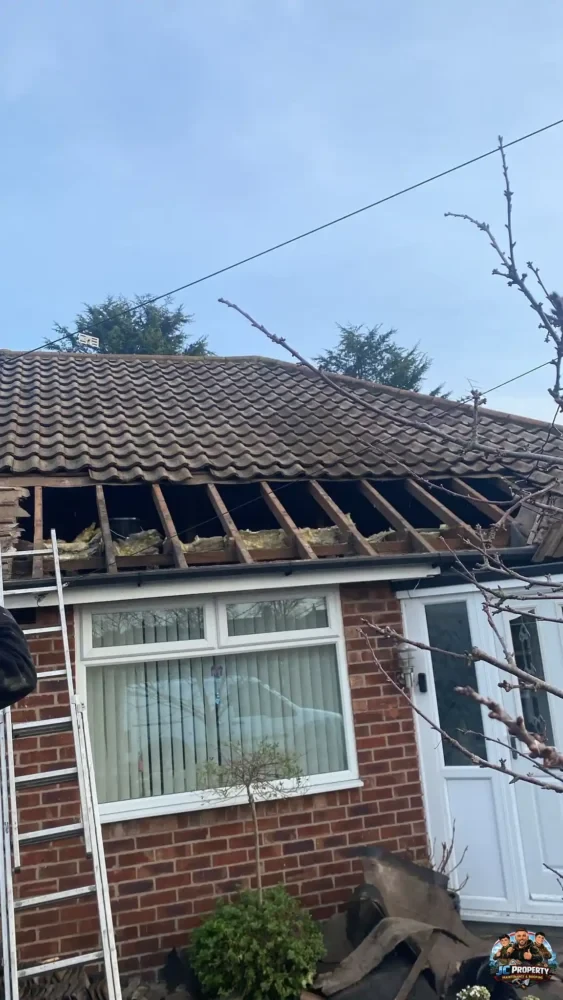
With full replacement, the old timber comes off completely. That leaves the rafter ends and the edge of the roof open, so we can see what state they are in before anything new goes up.
New uPVC fascia boards, around 18 mm thick, are fixed in place of the timber, with new soffits underneath. The gutters go back up on the new boards, or new guttering goes up if the old is past it. Freefoam calls replacement the better option whenever there is any doubt about the timber.
All the old boards and waste go away with us.
Capping Over or Replacing: Side by Side
| Capping over | Full replacement | |
|---|---|---|
| The old timber | Stays in place, covered by the new board | Comes off and goes away with us |
| Board thickness | About 9 to 10 mm | About 18 mm |
| What it needs behind it | Sound, dry timber | Nothing: new boards fix to the rafter ends |
| How the gutter is held | Screwed through the cap into the old timber | Fixed to the new board |
| What we can check | What we can see from outside | The rafter ends and roof edge, once the boards are off |
| Suits | Boards that are sound but tired-looking | Soft, rotten or doubtful timber |
Board thicknesses and the fixing detail come from Eurocell and Freefoam, two uPVC roofline manufacturers.
When Capping Is Not the Right Answer
Any of these and we will recommend taking the timber off.
- Wood that is soft, crumbling or split
- Holes or gaps in the boards, or soffit panels coming away
- A gutter that has started to pull away or drop
- Any real doubt about what is behind the paint
Neither method fixes a leaking gutter. If water keeps running onto the board, the gutter needs sorting at the same time. Our guide to the signs your fascias need replacing covers what to look for from the ground.
How We Decide on Your House
1. Photos first
Send a few photos from the ground by WhatsApp. They help us see what we are dealing with.
2. We look
When we come out we check how sound the timber is along each run, including the corners and joints where rot usually starts.
3. The quote says which
We recommend capping or full replacement for each part of the house and tell you why.
4. You choose
It is your house and your decision. Ask us anything you are unsure about before you say yes.
Or send us the details through our contact page.
What It Costs
We do not have a set price for capping. It is usually less work than full replacement, but how much less depends on the house, so it is priced after a look like everything else.
For what else moves the price, see how much fascias and soffits cost, or the main uPVC fascias and soffits page for how a job runs.
Guide price
A full uPVC roofline (fascias, soffits and guttering) on a typical bungalow or semi is around £1,400.
Every house is different, so the free quote gives you the exact price.
Before, During and After
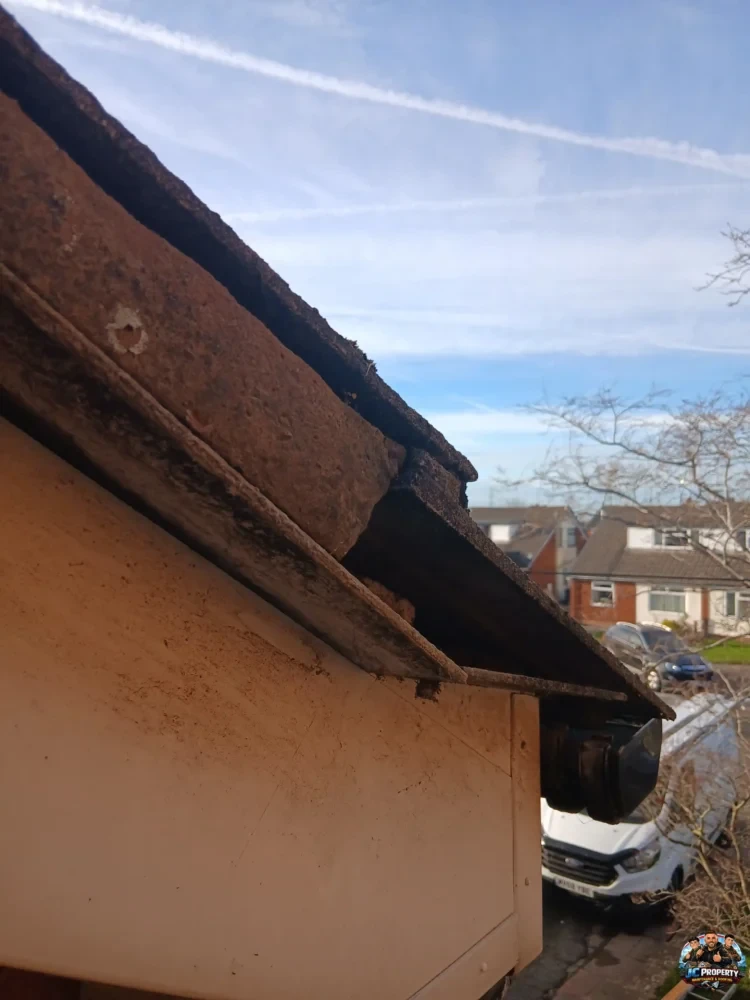
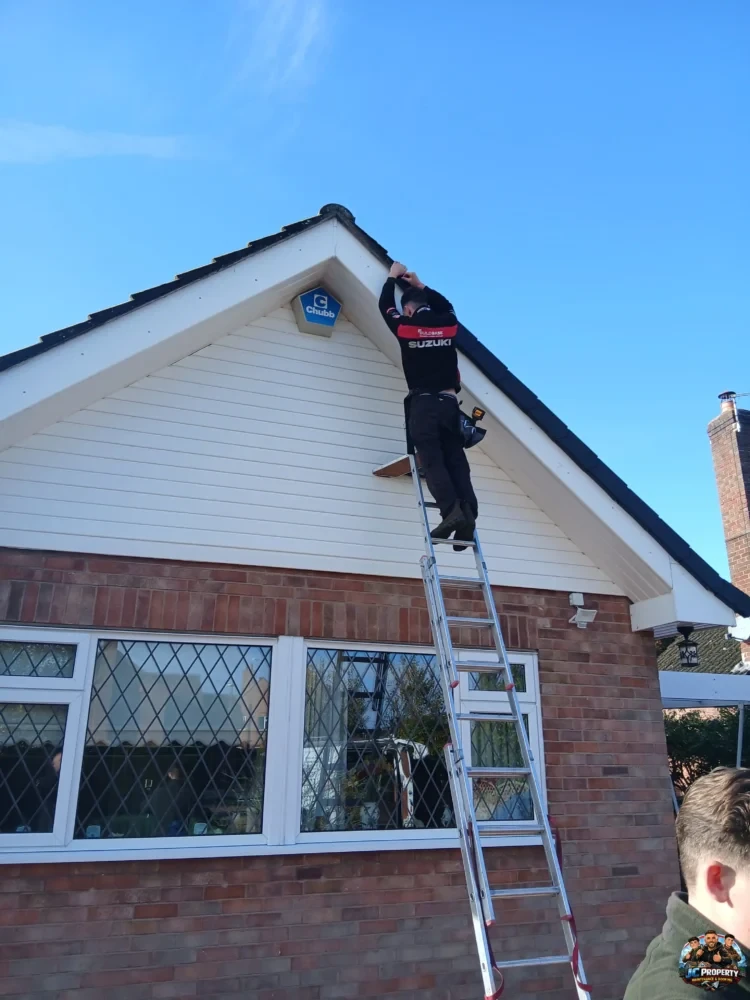
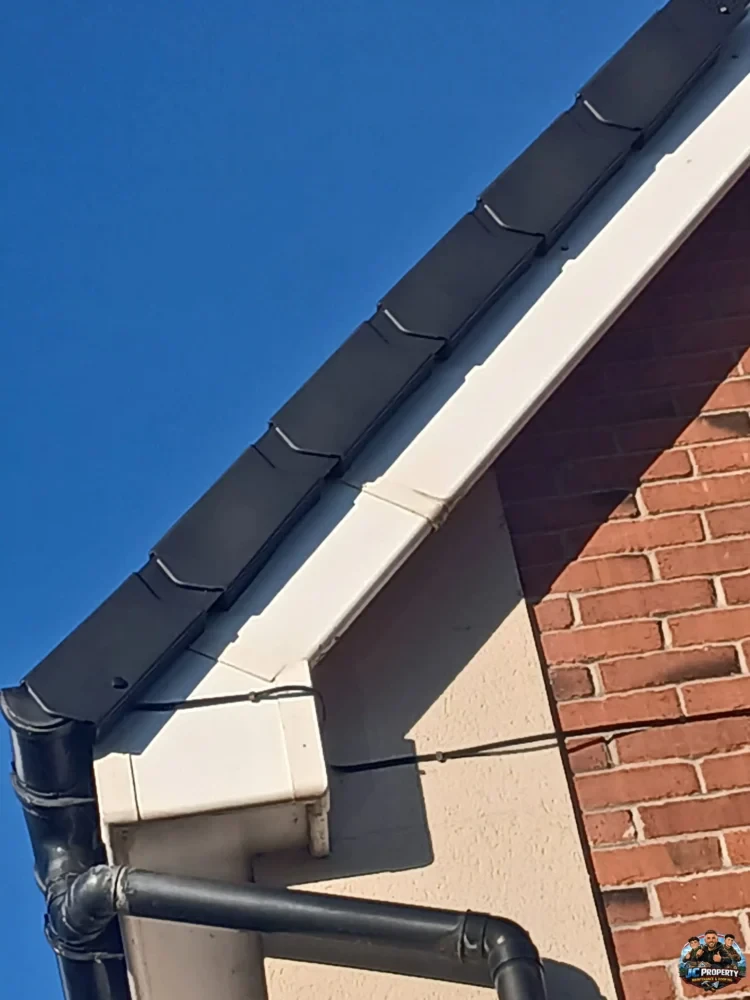
Photos from our own jobs (click to expand). Job locations are not shown.
What Our Customers Say
"Amazing job"
"Wonderful father and son team done an amazing job for me more than happy thank you both so much for everything"
"Above and beyond"
"So happy with all the work completed today on my roof. Went above and beyond to make sure the roof is water tight. Would 100% recommend"
Capping and Replacing Fascias: FAQ
Yes, if the timber underneath is sound. We do both capping and full replacement, and we will tell you which suits your house when we quote.
It depends on the timber. Over sound boards, capping gives you a uPVC finish with less work. Where the timber is doubtful, full replacement is the safer choice, because it lets us see and deal with the roof edge behind the boards.
Capping is usually less work, and Freefoam, a uPVC manufacturer, describes it as the more cost-effective option. There is no fixed difference: it depends on the house, and the free quote confirms the price.
No. Capping boards are not load bearing and rely on the timber behind them, so rotten boards have to come off and be replaced.
Yes. The gutters come down for either job. If they are sound they go back up; if they are cracked, sagging or brittle, it usually makes sense to fit new guttering at the same time.
We look first. The quote says which we recommend for your house and why, and you decide.
Our uPVC work comes with a 10-year guarantee. We will go through what is covered on your job before any work starts.
On a full replacement we take all the old boards and waste away with us. With capping, the old timber stays in place behind the new board.
Ask Us to Look at Your Fascias
Based in Winterley, near Sandbach. We cover Sandbach, Crewe and the rest of Cheshire and Staffordshire.
Contact Options
Open Monday to Saturday, 8am to 6pm. Closed Sunday.