
Do You Need Planning
Permission for a New Roof?
Planning permission and Building Regulations for a re-roof in England, quoted from the Planning Portal. Written by JC Property Maintenance, Sandbach roofers, not lawyers.
Planning permission: usually not. Building Regulations: usually yes.
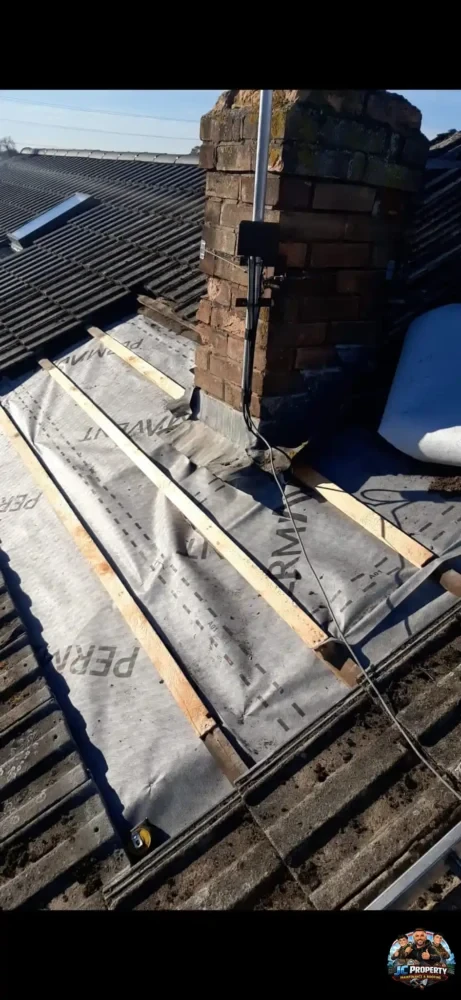
For an ordinary house, a new roof that looks much the same as the old one will usually not need planning permission.
A whole re-roof will, in most situations, need Building Regulations approval.
Flats, conservation areas, listed buildings and areas with an Article 4 direction are different. If any of those apply, speak to your council before work starts. Everything on this page is quoted from the Planning Portal and Historic England, for England; it is general information, not legal advice.
Planning Permission for a New Roof
The Planning Portal, the official planning and building regulations website for England and Wales, puts it like this:
“Work to the roof of a house (e.g. re-roofing) that does not materially affect its external appearance will usually not require planning permission.”
So the question is how much the roof will change. Re-covering in a similar tile or slate is one thing; raising the roof or changing its shape is another.
The Planning Portal also lists permitted development rights for other alterations to a house roof, such as rooflights. Those come with conditions: the house must not be a flat or contain flats, and must not have been converted to a house or built as a new house under permitted development. The work must not project more than 150 millimetres from the existing roof slope or go higher than the existing roof, and side-facing windows must be obscure-glazed and, if they open, 1.7 metres above the floor. In its words:
“If these limits and conditions are not met, or Permitted Development rights have been removed in the area, then an application for Householder/Full Planning Permission will be required.”
Loft conversions, extra storeys and solar panels have their own separate rules.
When It Is Different
These are the situations where a roof that would otherwise be straightforward needs a conversation with the council first.
Conservation areas
In conservation areas and other designated areas, the Planning Portal says “permitted development rights are more restricted”, so some work that needs no application elsewhere does need one.
Article 4 directions
Councils can remove permitted development rights by issuing an Article 4 direction. The Planning Portal says these are most common in conservation areas.
Listed buildings
Historic England says you need listed building consent for all work to a listed building that involves alterations, extensions or demolition and will affect its character.
Flats and maisonettes
Permitted development rights for roof alterations do not apply to flats or to buildings containing flats.
The Planning Portal's advice for all of these is to contact your local planning authority and discuss your proposal before any work begins.
Building Regulations for a New Roof
Building Regulations are a separate question from planning, and for a full re-roof the answer is usually yes. The Planning Portal's re-roofing page says:
“In most situations, this work will need Building Regulations approval.”
There is a smaller exemption for repairs. The Planning Portal says repairs or re-covering will not normally need a building control application if less than 25 per cent of the total building envelope (walls, floor, roof, windows and doors) and less than 50 per cent of the roof is affected. A whole new roof is well past half the roof, which is why the exemption does not usually help.
Approval is also needed, it says, for structural alterations, if the new covering performs significantly differently in a fire, or if the new covering is 15 per cent or more heavier than the old.
Changing from Slate to Tile, or Tile to Slate
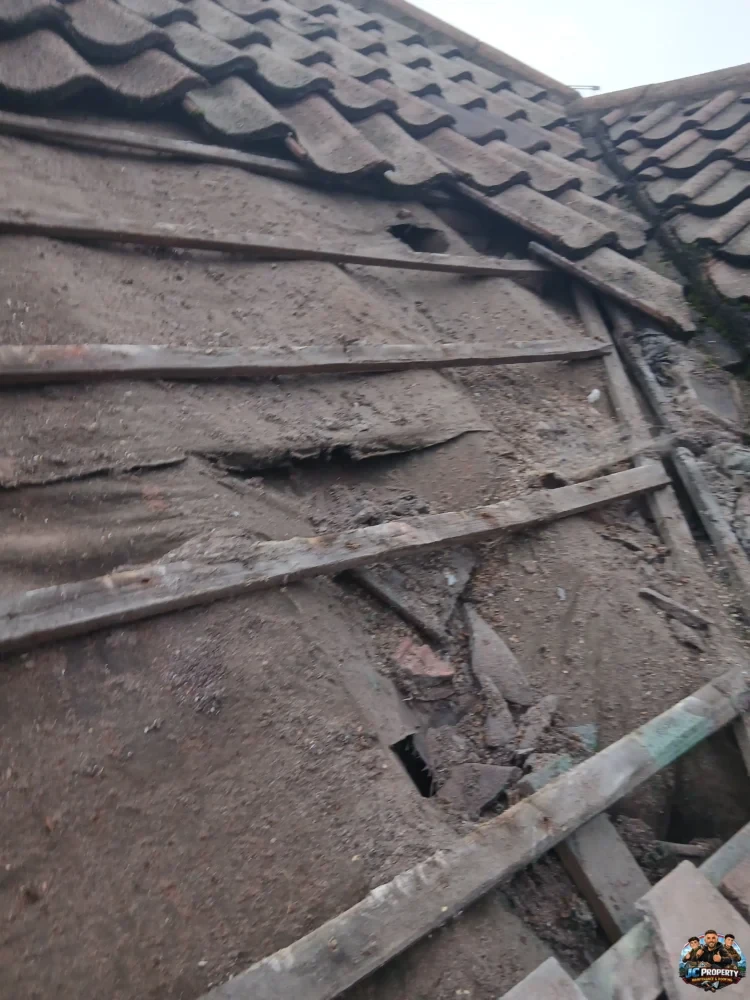
The Planning Portal gives this as its own example. If the old covering is replaced with a different material, such as slate to tiles, approval under the Building Regulations is likely to be needed, for three reasons: the roof structure may need strengthening if the new covering is much heavier or lighter, fire safety, and energy efficiency.
Where the weight changes a lot, it advises checking with a structural engineer or surveyor.
Insulation
The Planning Portal also notes that a roof counts as a “thermal element”, so re-covering it should include improving its thermal insulation.
For flat roofs it says some repairs need no approval, but replacing a roof with built-in insulation may mean upgrading that insulation.
Our new roof guarantee
New roofs we fit come with a 20-year guarantee.
Re-roofs start from around £6,000.
The free quote gives you the exact price for your house.
Does a New Roof Have a Warranty?
That depends on who fits it, so ask every roofer you get a quote from. Ours is 20 years on new roofs, and we go through what it covers before any work starts. We are fully insured on every job.
For prices, see how much a new roof costs.
What to Ask Your Roofer
- How will Building Regulations be dealt with for this roof?
- What exactly is in the price: membrane, battens, ridge, verges, roofline?
- How long is the guarantee, and what does it cover?
- Are you insured, and who takes the old roof away?
Thinking About a New Roof?
We fit new roofs in concrete tile, clay tile and slate across Sandbach and south Cheshire. Ask us about permissions when we come out to quote, and tell us if your house is listed or in a conservation area.
Only part of the roof affected? See roof repairs and dry verge explained. Replacing fascias, soffits and gutters is a separate job again: see uPVC fascias and soffits.
Talk to Us About Your Roof
Call or WhatsApp 07748 025978, Monday to Saturday, 8am to 6pm.
Or send the details through our contact page.
What Our Customers Say
"Above and beyond"
"So happy with all the work completed today on my roof. Went above and beyond to make sure the roof is water tight. Would 100% recommend"
"Very friendly & professional"
"We have just had, dry ridge done, we am very happy with the work, very friendly and professional, we would highly recommend"
Permission for a New Roof: FAQ
Usually not. The Planning Portal says: "Work to the roof of a house (e.g. re-roofing) that does not materially affect its external appearance will usually not require planning permission." Flats, conservation areas, listed buildings and Article 4 directions can change that.
If the new roof will look the same from outside, the Planning Portal's guidance is that re-roofing which does not materially affect the external appearance will usually not need planning permission. Check with your council if the house is listed, in a conservation area or a flat.
In most situations, yes. The Planning Portal says re-roofing will need Building Regulations approval in most situations. Repairs and re-covering are normally exempt only when less than 25 per cent of the building envelope and less than 50 per cent of the roof is affected, and a whole new roof covers far more than that.
Possibly. The Planning Portal says permitted development rights are more restricted in conservation areas, and councils can remove them with an Article 4 direction. Contact your local planning authority before any work begins.
The Planning Portal says Building Regulations approval is likely to be needed when a roof is re-covered in a different material, because weight, fire performance and insulation can change. Whether planning permission is also needed depends on whether the change materially affects how the house looks, so ask your council.
Historic England says you will need listed building consent for all work to a listed building that involves alterations, extensions or demolition and will affect its character. Speak to your local authority first.
Ours does. New roofs we fit come with a 20-year guarantee, and we will go through what it covers before any work starts.
No. It is general information taken from the Planning Portal and Historic England, for houses in England. For your own house, check with your local planning authority or building control.
Get a Free New Roof Quote
Based in Winterley, near Sandbach. Sandbach and Crewe are home ground, and we work right across both counties.
Contact Options
Open Monday to Saturday, 8am to 6pm. Closed Sunday.